You have been signed out.


Improved quality life through social justice in healthcare technology
We seek to address the following issues toward the attainment of our vision: Equal and quality access to healthcare Assistive devices for people with disabilities Technology for health training Disability Inclusion in Society Engineering and Technology in healthcare Artificial intelligence (AI) in healthcare
We believe that this vision can be attained because of the: Network of Universities Universities that are consistent with our mission (preferential action with the poor) Global Network - Power of IAJES
We hope to achieve: Advance research and education Service in action - with more impact
Justice through healthcare technology, service in action

Bryan Ranger
Chair, Boston College
bryan.ranger@bc.edu
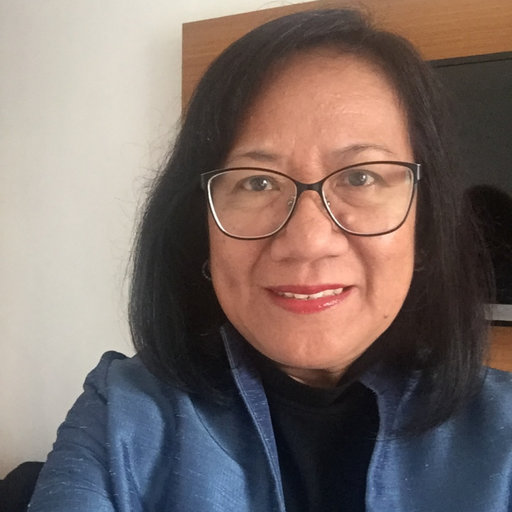
Rosula Reyes
Ateneo de Manila University
rsjreyes@ateneo.edu
Andres Navarro
Javeriana Cali University
anavarro@javerianacali.edu.co
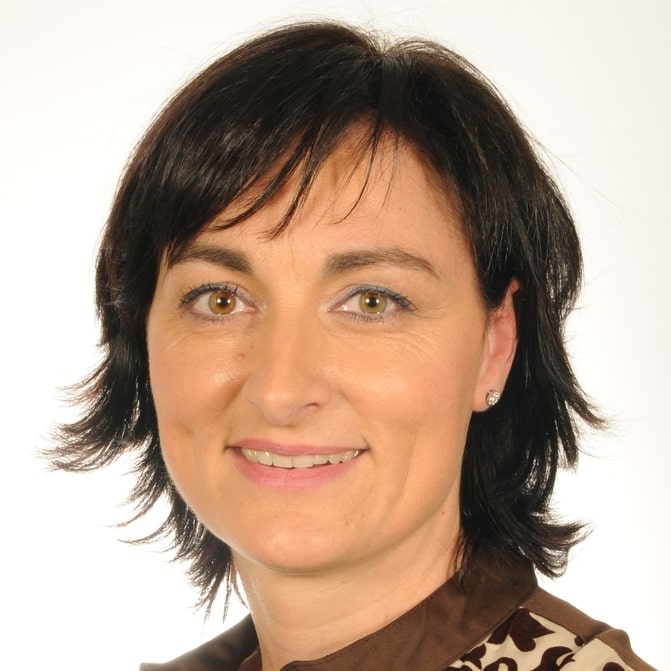
Begoña García-Zapirain Soto
Deusto University
evida@deusto.es

Ana Moreno Hernández
Universidad Iberoamericana Puebla
ana.moreno.hernandez@iberopuebla.mx

Pablo Iturralde
Universidad Católica del Uruguay
pablo.iturralde@ucu.edu.uy
Daniel Recardo Suárez Venegas
Pontific Universidad Javeriana
d-suarez@javariana.edu.co
Alexander Caicedo Dorado
Pontifica Universidad Javeriana
acaicedod@javeriana.edu.co
Patricia Angela R Abu
Ateneo de Manila University
pabu@ateneo.edu
Luisa Rincon
Javeriana Cali University
lfrincon@javerianacali.edu.co
Pontificia Universidad Javeriana in Cali is part of two projects supported by the Institute for the Deaf and Blind Children in Cali
The first project is currently an international collaboration between research teams in Colombia and Quebec. This research-creation project aims to create visual and tactile pieces of Colombian animals at risk of extinction, aimed at people who have a visual sensory impairment and the general population, searches to raise awareness about extinction using technologies and techniques from art, psychology and the virtual continuum.
The second project, SATReLO, is a tool for the development of per-sonalized applications, supporting language therapy in children with hearing disabilities. Applications consist of mini-games that replicate some therapeutic activities. These applications would motivate children to embrace therapy positively, increasing the time they would dedicate towards this therapy, especially at home; therefore, accelerating the therapeutic process. SATReLO allows the therapist to adapt the activities carried out according to the needs of each patient while keeping a record of each child's evolution over time. Preliminary tests show that children interact easily with mini-games and are enthusiastic about using them.